
Choosing a pool is not just about style or size. It is a long-term investment that needs to perform properly through changing seasons, heavy use, and Ontario’s demanding climate. Across Toronto and the GTA, factors like freeze-thaw cycles, groundwater pressure, and soil movement can all impact how a pool holds up over time.
What many homeowners do not realize is that most pool problems are predictable. Issues like liner failure, surface deterioration, cracking, or structural movement often come down to installation quality, material choice, and how the pool is maintained from the start.
Whether you are planning a new Pool Installation or comparing different pool types, understanding what can go wrong is one of the most important parts of making the right decision. The goal is not just to build a pool, but to choose one that will perform reliably for years without costly repairs or unexpected issues.
Why Pool Problems Matter More Than Pool Type
The type of pool you choose matters, but how that pool is designed and built matters more. Most long-term issues are not caused by the material itself. They come from poor installation, improper drainage, or conditions that were not accounted for during planning. In Ontario, factors like groundwater pressure, freeze-thaw cycles, and soil movement can put added stress on any pool system if it is not built correctly.
Working with a team that understands proper site preparation, structural support, and long-term performance is what prevents these issues from developing. A well-executed Pool Installation combined with thoughtful Pool Design ensures the pool performs as intended, regardless of the material you choose.
Common Pool Problems by Pool Type
Each pool type has its own set of predictable issues. Understanding these patterns helps homeowners identify risks early and choose a system that aligns with their maintenance expectations and long-term goals.
Pool Type Comparison
| Pool Type | Common Issues | Severity | Typical Fix |
|---|---|---|---|
| Steel-Vinyl | Liner wrinkles, tears, leaks, wall corrosion | Low–Moderate | Liner replacement, wall repair |
| Fiberglass | Bulging, shifting, gelcoat cracks | Moderate–High | Drainage correction, structural adjustment |
| Concrete | Cracking, surface erosion, coping deterioration | High | Resurfacing, structural repair, coping redo |
| ICF | Waterproofing leaks, coating failure, form issues | Low–Moderate | Waterproofing upgrade, surface refinishing |
10 Key Considerations Before Choosing Your Pool
Every pool type comes with known pressure points. The difference between a pool that performs for decades and one that requires constant repairs often comes down to recognizing these issues early and planning for them. The following considerations are based on real-world problems homeowners encounter and what can be done to prevent them.
1. Vinyl Pool Liner Wrinkles
Vinyl liner wrinkles typically form when the liner shifts or loses tension. This can happen due to unbalanced water chemistry (such as low pH or high calcium), groundwater pressure behind the liner, leaks, or draining the pool improperly. In Ontario, seasonal temperature swings and saturated ground conditions increase the likelihood of liner movement, especially in the spring.
Preventing wrinkles starts with maintaining proper water balance, ideally keeping pH between 7.2–7.6 with stable alkalinity and calcium levels, and avoiding unnecessary draining. Proper installation and base preparation also play a major role in keeping the liner stable over time.
If wrinkles develop early, a professional may be able to stretch and refit the liner. However, in more severe cases, replacement is often required. Most Steel-Vinyl Pools will need a new liner every 8 to 12 years, making this a predictable part of long-term ownership.
2. Vinyl Pool Liner Tears or Punctures
Vinyl liners are durable, but once damaged, problems escalate quickly. Small punctures often go unnoticed until they begin affecting water levels or cause further material failure.
Common causes include:
- Sharp objects or dropped tools inside the pool
- Improper vacuum heads or aggressive cleaning methods
- Chemical damage that weakens and makes the liner brittle
- Wear from regular use over time
How to reduce risk:
- Use liner-safe cleaning equipment and gentle brushes
- Avoid sharp tools or objects near the liner
- Maintain balanced water chemistry to prevent material breakdown
- Inspect the liner regularly for early signs of damage
Small punctures can often be patched using vinyl repair kits, but larger tears or aging liners typically require full or partial replacement. Knowing when to repair versus replace is part of owning Steel-Vinyl Pools, and consistent upkeep plays a key role in extending liner life.
3. Fiberglass Pool Gelcoat Cracks
Fiberglass Pools use a gelcoat finish to create a smooth, non-porous surface. Over time, this outer layer can develop fine hairline “spider cracks,” often caused by manufacturing stress, installation pressure points, or ground movement.
In most cases, these cracks are cosmetic rather than structural. They affect appearance more than performance, but they can still be a concern for homeowners if they spread or become more visible or allow minor water intrusion.
Preventing gelcoat issues starts with selecting a high-quality shell and ensuring proper installation, including stable backfill and support. Minor cracks can often be repaired using gelcoat matching kits or professional refinishing. Simpler, solid-color finishes also tend to hide repairs better than patterned surfaces.
Choosing well-built Fiberglass Pools and experienced installers significantly reduces the likelihood of long-term surface issues.
4. Fiberglass Pool Wall Bulging or Floating
Fiberglass pools rely on the surrounding ground to stay stable. When that balance is disrupted, the structure itself can shift or even lift.
What causes this:
- Hydrostatic pressure from groundwater pushing upward
- Improper backfill (soil instead of gravel)
- Poor drainage around the pool area
- Draining the pool in high groundwater conditions
Why it matters in Ontario:
Spring thaw and heavy rainfall can saturate the ground, increasing pressure around the shell. This is one of the most common causes of movement in Fiberglass Pools.
How to prevent it:
- Proper drainage planning during Pool Installation
- Gravel backfill instead of native soil
- Avoid draining the pool completely in high groundwater conditions
- Use groundwater management systems, especially hydrostatic relief valves, to actively relieve pressure buildup beneath the pool and reduce the risk of lifting or structural movement.
5. Concrete Pool Marbelite / Plaster Erosion
Problem: The interior surface becomes rough, pitted, stained, or worn, making the pool uncomfortable and harder to maintain.
Why it happens: Concrete finishes like Marbelite and plaster are constantly exposed to chemicals, UV, and water movement. Imbalanced pH or chlorine levels accelerate deterioration, leading to scaling, etching, and surface breakdown over time.
How to prevent it: Maintain consistent water chemistry, brush the surface regularly, and schedule periodic professional maintenance such as acid washing to extend surface life. Most Concrete Pools will require refinishing every 15 to 25 years, with options to upgrade to more durable premium aggregate finishes for longer performance.
6. Concrete Pool Cracking
Concrete pools are strong but not immune to movement. Cracking is one of the most important structural considerations, especially in climates like Toronto and the GTA where freeze-thaw cycles and soil movement are constant.
Types of Concrete Pool Cracks
| Crack Type | Cause | Severity | Fix |
|---|---|---|---|
| Surface | Shrinkage, temperature changes | Low | Patch or seal |
| Structural | Soil movement, poor support | High | Epoxy injection or rebuild |
Minor surface cracks can often be repaired, but structural cracks require professional evaluation and repair methods such as epoxy injection. Preventing cracking starts with proper reinforcement, drainage planning, and correct installation techniques.
Salt systems accelerate wear if materials are not selected properly and should be evaluated carefully. Learn more about compatibility with Salt Water Pools. Proper construction and reinforcement are key in long-term Concrete Pools.
7. Concrete Pool Coping Deterioration
Coping is more than just a visual edge. It protects the pool structure, manages water runoff, and creates a safe transition between the pool and surrounding surfaces.
Common issues include:
- Cracking or shifting from freeze-thaw cycles
- Loose or uneven edges creating safety concerns
- Material breakdown from weather exposure
Why it matters:
- Impacts both safety and aesthetics
- Affects water flow and drainage
- Can signal deeper structural movement or collar failure
Upgrade considerations:
- Replace with durable materials like poured concrete, natural stone (such as travertine), or pavers
- Inspect and repair the underlying concrete collar before installing new coping
- Choose slip-resistant, weather-tolerant materials for long-term performance
This is where Pool Landscaping and surrounding hardscape becomes part of the solution, not just an aesthetic upgrade.
8. ICF Pool Waterproofing Leaks
Problem: Water intrusion through the pool structure, often showing up as damp spots, staining, efflorescence, or moisture behind the interior finish.
Why it happens: Inadequate waterproofing allows water to pass through the concrete or form system. Waterproofing is not a single layer but part of a larger system. Even high-quality membranes can fail if drainage is poor or groundwater pressure is not managed properly.
How to prevent it: Use a full-system approach that includes high-quality waterproofing membranes or additives such as Xypex applied during the pour, along with roll-on or spray-applied exterior barriers. Proper drainage around the pool and skilled installation for monolithic pours are critical to long-term performance.
When built correctly, ICF Pools rely on both structural integrity and integrated waterproofing systems to remain watertight.
9. ICF Pool Plaster / Coating Failure
ICF pools require finishes that are compatible with their structure. When the wrong coating is used or the surface is not prepared properly, failure can happen quickly.
Common causes include:
- Poor surface preparation, including lack of etching or bonding agents
- Moisture behind the coating
- Using non-pool-specific or incompatible materials
What this leads to:
- Peeling or flaking finishes
- Chalky residue in the water
- Premature wear of the interior surface
How to prevent it:
- Use pool-specific finishes such as fiberglass-reinforced plaster or epoxy coatings
- Ensure proper surface preparation before application
- Maintain balanced water chemistry and avoid harsh chemical conditions
Properly built ICF Pools require fewer structural repairs, but finish compatibility and preparation are critical to long-term performance.
10. ICF Pool Installation Misalignment or Blowouts
Problem: Walls shift, deform, or fail during construction, leading to uneven walls or structural weaknesses that are difficult and costly to correct.
Why it happens: ICF pools are poured concrete systems, and the pressure during the pour is significant. If forms are not braced properly or lower-quality ties are used, they can shift, float, or blow out under pressure.
How to prevent it: Work with experienced builders who understand pool-specific ICF demands. Proper bracing, high-quality ties, and controlled concrete pours in lifts are essential. Pre-pour inspections and coordination further reduce risk and ensure alignment.
The strength of ICF Pools depends heavily on execution. When installed correctly, they provide long-term durability with minimal structural concerns.
Choosing the Right Pool Comes Down to Execution
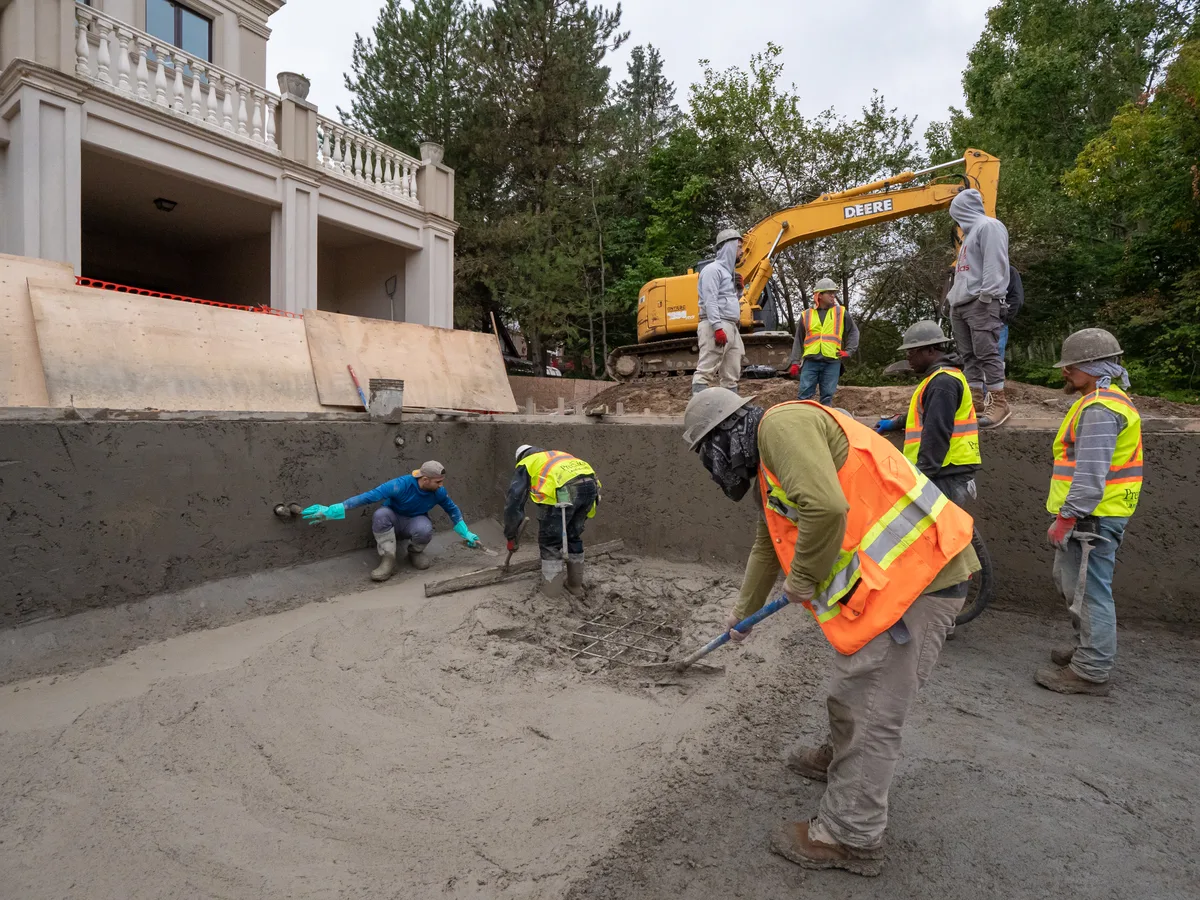
Across every pool type, the same patterns show up. Issues are rarely caused by the material alone. They come from poor drainage, improper base preparation, rushed installation, or ignoring how the pool interacts with the surrounding environment.
A well-built pool is a system. Structure, finish, water management, and surrounding landscape all need to work together. When one part is overlooked, problems follow, regardless of whether the pool is vinyl, fiberglass, concrete, or ICF.
Choosing the right team and approach is what prevents these issues from developing in the first place. A properly planned Pool Installation, combined with thoughtful Pool Design, ensures the pool performs as intended and holds up over time in Ontario conditions.
Frequently Asked Questions about Choosing a Pool in Ontario
Choosing the right pool comes down to understanding how each option performs over time. These are some of the most common questions homeowners ask when comparing pool types and planning for long-term use in Ontario.
-
Fiberglass pools generally require the least maintenance due to their smooth, non-porous surface, which resists algae buildup and reduces chemical demand. Steel-Vinyl Pools fall in the middle, as liners are easy to maintain but require replacement over time. Concrete pools demand the most upkeep because their porous surfaces require more frequent cleaning and resurfacing.
For lower maintenance, Fiberglass Pools are often preferred, while Concrete Pools offer flexibility with higher upkeep.
-
Concrete pools typically have the longest structural lifespan, often lasting decades when properly built. However, their interior finish will need periodic resurfacing. Steel-vinyl pools are also durable but require liner replacement every 8 to 12 years.
The key difference is structure versus surface. Concrete Pools last longest structurally, while Steel-Vinyl Pools offer predictable maintenance cycles.
-
It depends on priorities. Fiberglass pools are quicker to install, require less maintenance, and offer a consistent finish. Concrete pools provide full customization and can be built to suit any layout or feature set.
Homeowners focused on simplicity often choose Fiberglass Pools, while those prioritizing design flexibility lean toward Concrete Pools.
-
Most major repairs can be avoided with proper installation and consistent upkeep. Drainage, base preparation, and build quality all play a major role in long-term performance.
Planning a Pool That Lasts
A well-built pool starts with the right plan. Choosing the right system, preparing the site properly, and building with long-term performance in mind reduces future issues and protects the investment over time.
Explore your options with Precision Landscaping through professional Pool Installation and complete Pool Landscaping.