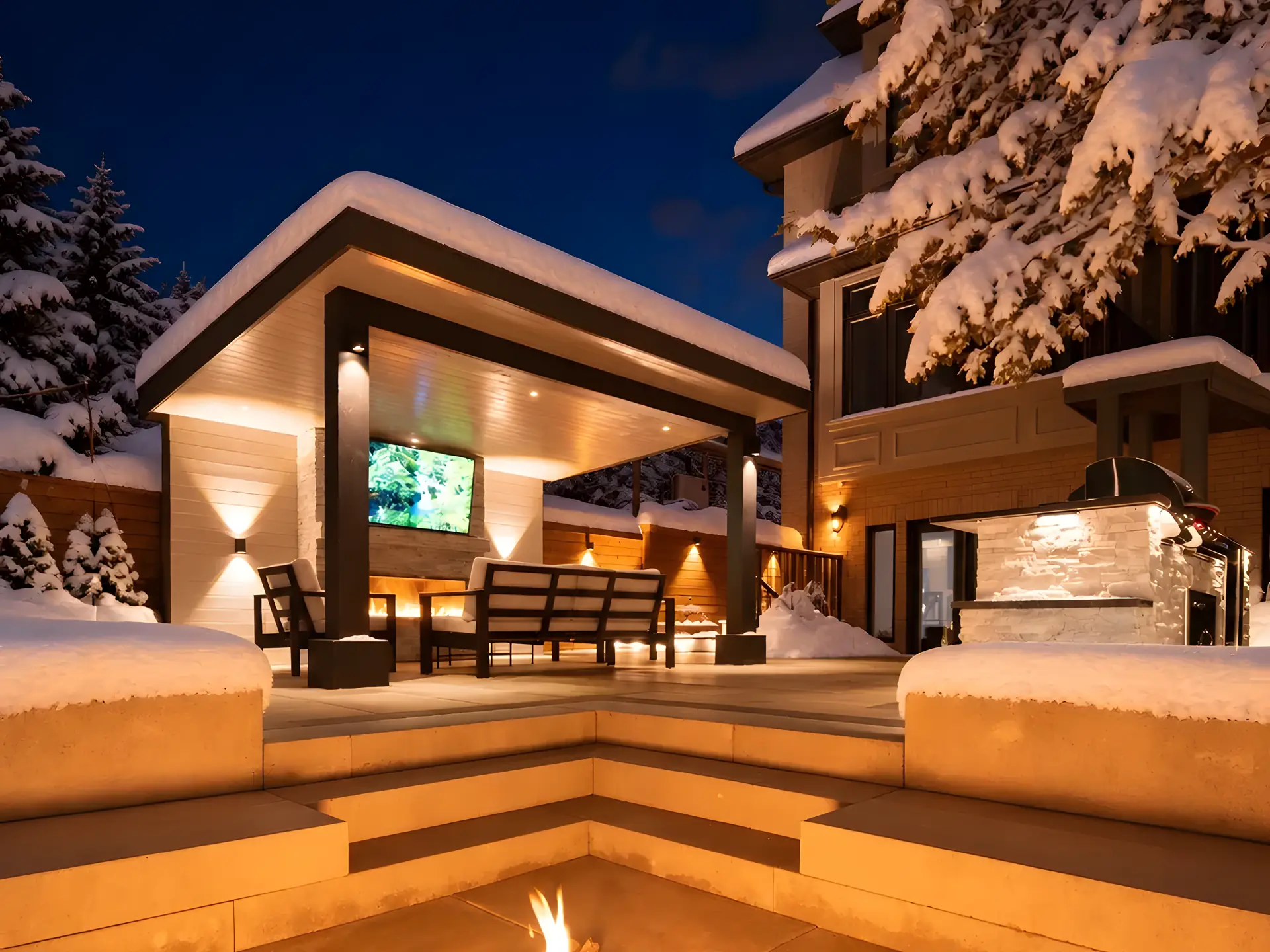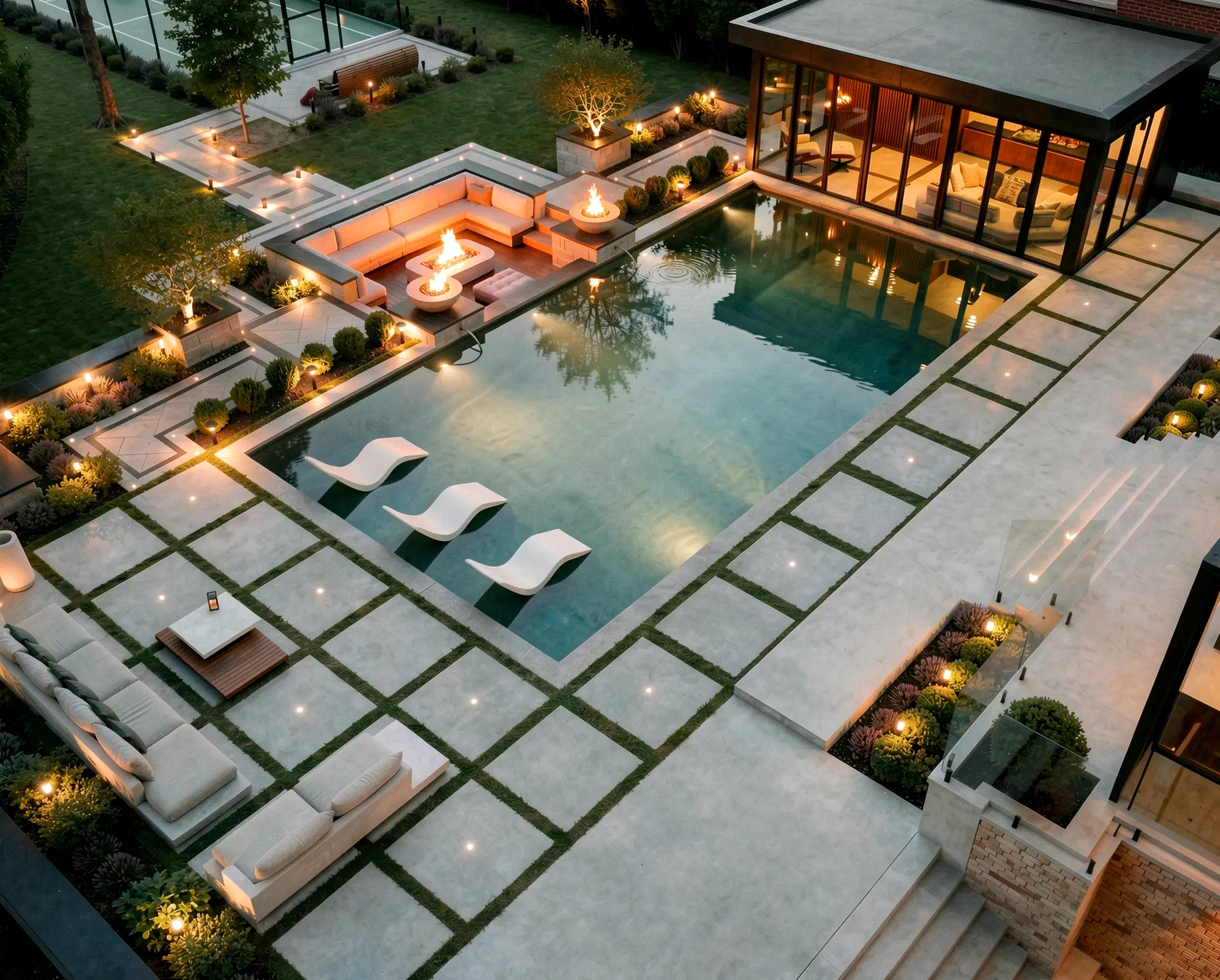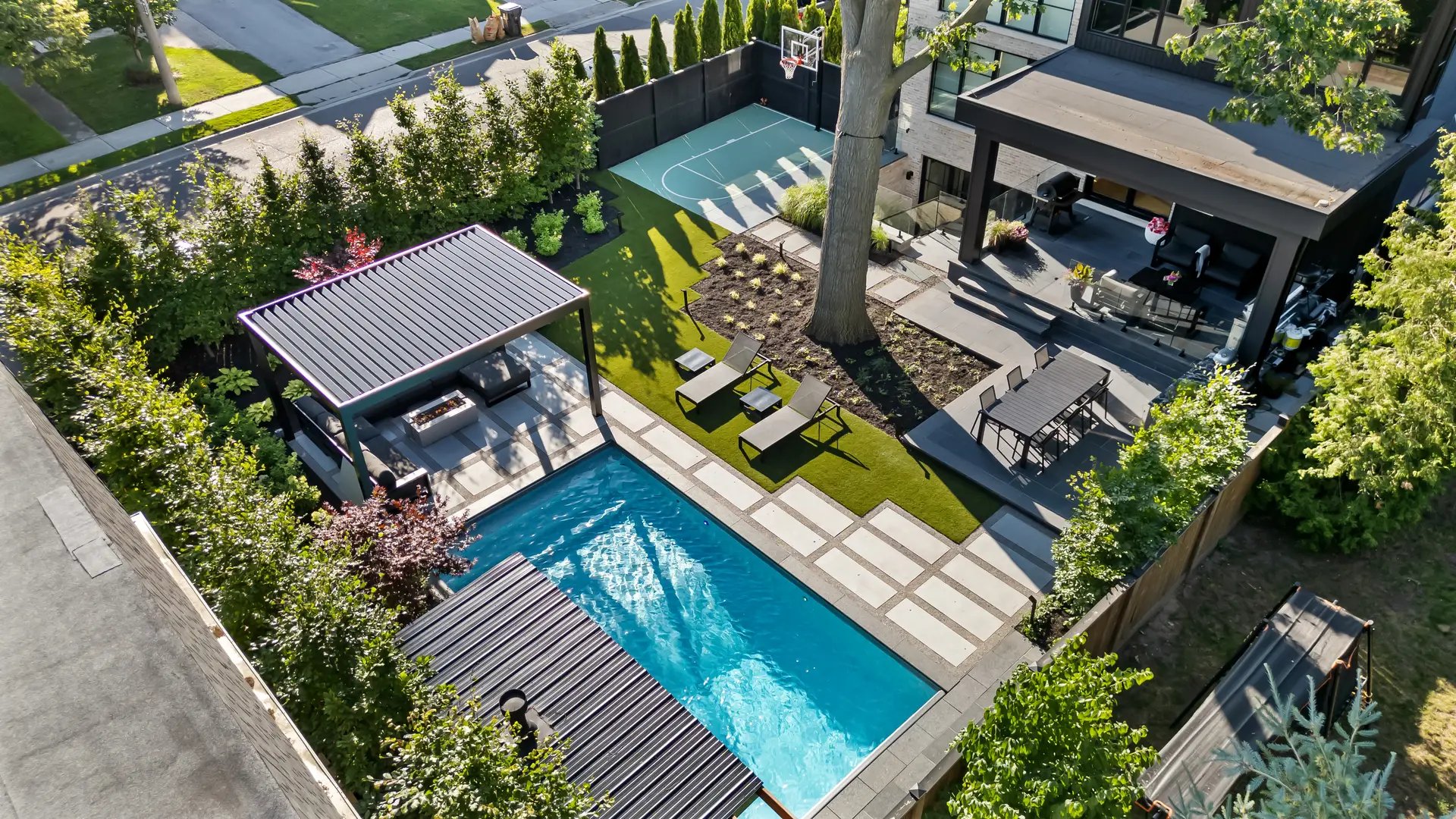

A Custom Deck is not a standalone structure. It is part of a complete outdoor environment that must be designed for structure, drainage, and long-term performance in Ontario conditions.
At Precision Landscaping, deck cost is established through full-scope planning that accounts for framing, frost-safe footings, elevation, access, and integration with the rest of the property. Two decks that look similar on the surface can vary significantly in cost depending on what is required underneath and around them. Ontario conditions such as soil type, elevation changes, drainage, and access restrictions often increase structural and labour requirements before finishing materials are installed. When these factors are addressed early, pricing becomes clear and predictable.
This is why deck pricing is best understood as a full project scope, not a material selection. When planned through Landscape Design, the deck is integrated into the overall space and built as part of a complete outdoor system.
The Short Answer: What Most Deck Projects Cost in Ontario
Most deck projects in Ontario fall into clear investment tiers based on size, material, structure, and integration with the surrounding backyard. These are fully installed project ranges, not material-only pricing.
Deck Cost by Project Tier (Ontario 2026)
| Deck Tier | Typical Range | Best For |
|---|---|---|
| Basic Deck | $8,000 – $15,000 | Smaller pressure-treated builds with simple layouts |
| Mid-Range Deck | $15,000 – $35,000 | Cedar or composite decks with railings and improved design |
| Premium Deck | $35,000 – $75,000+ | Larger decks, premium materials, multi-level layouts, integrated features |
These ranges reflect real projects where structure, access, and surrounding work are included. Final pricing depends on how the deck is designed and how it connects to the rest of the property. In most cases, final cost is driven less by size and more by structure, materials, and how the deck is integrated into the surrounding space.
Deck Installation Cost Per Square Foot (Installed)
| Material Type | Typical Installed Cost (Per Sq. Ft.) |
|---|---|
| Pressure-Treated Wood | $55 – $60 |
| Cedar | $60 – $65 |
| Composite | $75 – $95 |
| PVC | $85 – $98 |
| Premium Woods | $85 – $105 |
Per-square-foot pricing is the most accurate way to compare materials, but total project cost is driven by structure, layout, and site conditions.
For a full breakdown of how materials, structure, and layout come together in a real build, see Deck Installation.

Why a $12,000 Deck Can Become a $30,000 Project
Most homeowners start with a number based on deck boards alone. In reality, the visible surface is only one part of the total build.
The structure underneath, site preparation, and integration with the backyard often equal or exceed the cost of the decking material itself.
Where Deck Costs Actually Come From
| Scope Component | Typical Cost Impact | Why It Matters |
|---|---|---|
| Upgraded Materials | +$5,000 – $12,000 | Composite, PVC, or premium woods increase material cost |
| Railings and Stairs | +$3,000 – $10,000 | Required for safety and access |
| Footings and Structure | +$2,000 – $8,000 | Ensures long-term stability |
| Site Preparation | +$1,500 – $6,000 | Affects labour and equipment |
| Lighting and Features | +$1,500 – $5,000+ | Improves usability and integration |
Two decks that look similar on the surface can vary dramatically in cost depending on what is required underneath and around them.
In Ontario, soil conditions, elevation changes, drainage, and access restrictions often increase structural and labour requirements before finishing materials are installed.
Deck Installation Cost by Material
Material selection is one of the most visible cost drivers, but it also affects maintenance, durability, and how the deck performs over time in Ontario conditions.
At Precision Landscaping, material decisions are made within the full design scope so they align with structure, layout, and how the deck integrates with the surrounding space.
Deck Material Cost & Performance Comparison (Ontario Installed Pricing)
| Material | Cost (Per Sq. Ft.) | Maintenance | Key Advantage | Performance Notes | Best For |
|---|---|---|---|---|---|
| Pressure-Treated Wood | $55 – $60 | High | Lowest upfront cost | Structurally reliable but prone to warping, cracking, and surface wear over time | Budget-focused builds and simple layouts |
| Cedar | $60 – $65 | Medium | Natural appearance | More stable than pressure-treated but requires regular sealing to maintain colour and durability | Design-focused decks with a warm, natural finish |
| Composite | $75 – $95 | Low | Low maintenance | Resists fading, moisture, and surface wear; consistent long-term performance | Family backyards and everyday-use decks |
| PVC | $85 – $98 | Very Low | Maximum durability | Fully synthetic, highly resistant to moisture and staining; ideal for wet environments | Pools, hot tubs, and premium outdoor spaces |
| Premium Woods | $85 – $105 | Medium | High-end finish | Includes thermally modified wood, IPE, and specialty finishes with strong durability and unique aesthetics | Architectural builds and luxury outdoor environments |
Deck Cost by Size
Deck size directly affects total cost, but it works in combination with material selection, structure, and layout complexity.
Larger decks require more materials, increased framing, and often additional structural support. As size increases, so does the likelihood of added features such as stairs, railings, and multi-level design.
Deck Cost by Size (Ontario Installed Ranges)
| Deck Size | Typical Square Footage | Typical Installed Range |
|---|---|---|
| Small Deck | 100 – 200 sq. ft. | $14,000 – $22,000 |
| Medium Deck | 200 – 400 sq. ft. | $17,000 – $35,000 |
| Large Deck | 400+ sq. ft. | $35,000 – $80,000+ |
These ranges reflect typical residential projects where structure, access, and finishing elements are included. While size impacts cost, structure, materials, and features typically have a greater influence on total project pricing.
Small Decks
Small decks are used for seating areas, entry points, or compact spaces. They are the most cost-efficient option, especially with pressure-treated materials, but upgrades can quickly increase total investment even within a smaller footprint.
Medium Decks
Medium decks are the most common, supporting dining and everyday use. They often include railings, stairs, and upgraded materials like cedar or composite, where layout and design start to influence both cost and usability.
Large Decks
Large decks are part of fully designed outdoor environments, often connecting to features like Pools and Outdoor Kitchens. These builds involve more complex structure, additional footings, and integrated planning, making them less about size and more about how the space functions as a whole.
They are typically planned alongside Landscape Design to ensure the entire backyard is built as one coordinated system.
What Actually Drives Deck Cost
Deck pricing is not determined by a single factor. It is the result of multiple components working together, including structure, layout, materials, and site conditions.
Two decks with similar sizes can vary significantly in cost depending on how these elements are resolved during the planning stage.
Material Selection
Material sets the baseline for cost, durability, and maintenance. Pressure-treated is the lowest entry point, while composite, PVC, and premium woods increase upfront cost but reduce long-term upkeep. In most projects, this is the first decision that defines the budget.
Height, Framing, and Structural Requirements
Deck height drives structural complexity. Ground-level builds are simpler, while elevated and multi-level decks require deeper footings, more framing, and added engineering. Structure is often one of the biggest cost drivers.
Railings, Stairs, and Safety Features
Railings and stairs are required for safety on elevated decks. Basic wood options are more cost-effective, while glass, metal, and custom systems increase both material and installation costs.
Site Conditions and Access
Slope, soil, drainage, and access all affect labour and construction efficiency. Tight access or difficult ground conditions can increase costs before building begins.
Permits, Engineering, and Design Coordination
Permits are often required based on height and structure, and complex builds may need engineering. Planning through Landscape Design helps resolve these factors early and prevents delays or cost increases.
Deck Features and Add-Ons That Change the Budget
Once the base structure is defined, features and upgrades become the primary drivers of how a deck functions and how much it ultimately costs.
These additions turn a deck from a simple platform into a fully usable outdoor space.
Feature Cost Overview (Ontario 2026)
| Feature | Typical Cost Range | Why It Impacts Price |
|---|---|---|
| Built-in Seating | $3,000 – $8,000+ | Custom framing and finishing increase labour |
| Planter Boxes | $1,500 – $3,000+ | Integrated design and additional materials |
| Pergolas / Shade Structures | $12,000 – $30,000+ | Structural additions and architectural integration |
| Deck Lighting | $2,500 – $5,000+ | Electrical work, wiring, and fixture installation |
| Outdoor Kitchen Integration | $9,000 – $20,000+ | Utilities, structure, and coordination with other features |

Built-In Seating and Planters
Built-in seating and planters improve both function and visual appeal. They require additional framing and finishing but help define spaces, add storage, and integrate greenery into the design, making the deck feel like a complete outdoor living area.
Pergolas and Shade Structures
Pergolas and shade structures add vertical definition and improve usability by creating shade and structure. They require additional support and coordination with the deck framing, increasing both material and labour costs.
These features are often integrated into larger outdoor environments alongside Pergolas and other design elements.
Deck Lighting
Deck lighting improves safety, usability, and atmosphere, allowing the space to function after dark. Systems can include step lights, post lights, and integrated fixtures, all requiring wiring and planning during construction.
Lighting is most effective when coordinated with Landscape Design rather than added later.
Outdoor Kitchens and Adjacent Features
Integrating a deck with cooking and entertaining features expands how the space is used. These additions require coordination of utilities and structure, increasing complexity but creating a more functional outdoor environment.
They are typically planned alongside Outdoor Kitchens as part of a full backyard design.
Composite vs Wood Deck Cost Comparison
Choosing between composite and wood decking is one of the most important decisions in any deck project. While upfront pricing differs, long-term performance, maintenance, and durability often determine overall value.
Composite vs Wood Decking: Cost and Performance
| Category | Composite Decking | Wood Decking |
|---|---|---|
| Upfront Cost | Higher | Lower |
| Maintenance | Low (no staining or sealing) | High (regular staining and repairs) |
| Lifespan | Long, consistent performance | Shorter, affected by weathering |
| Moisture Resistance | High | Moderate to low |
| Appearance Over Time | Stable colour and finish | Fading, cracking, and wear |
| Long-Term Cost | Lower over time | Higher due to maintenance |
Composite offers low maintenance and consistent long-term performance, while wood provides a lower upfront cost but requires ongoing upkeep. For most modern builds, composite delivers stronger long-term value.
For guidance on selecting the right material within a full project scope, see Deck Installation.
The Long-Term Cost of Owning a Deck in Ontario
The cost of a deck does not end after construction. Long-term ownership includes maintenance, repairs, and lifecycle planning, all of which vary depending on material and usage.

Typical Deck Ownership Costs
| Ownership Category | Typical Range | Why It Matters |
|---|---|---|
| Annual Maintenance (Wood) | $500 – $2,000 | Staining, sealing, and minor repairs |
| Cleaning and Upkeep (Composite/PVC) | $100 – $300 | Seasonal cleaning and care |
| Repair Allowance | Varies | Boards, railings, or structural adjustments over time |
| Long-Term Replacement Planning | 1–3% of build cost annually | Prepares for resurfacing or upgrades |
Wood decks require consistent upkeep to prevent deterioration from moisture, UV exposure, and seasonal changes. Without maintenance, surface wear and structural issues can develop more quickly.
Composite and PVC decks reduce maintenance requirements significantly, making them easier to manage over time. While they have a higher upfront cost, they typically offer more predictable long-term ownership.
Combining Deck Installation with Backyard Upgrades
Decks are rarely built in isolation. They are most effective when designed as part of a complete outdoor environment that includes landscaping, structures, and functional features.
At Precision Landscaping, deck projects are often integrated with other elements to improve both usability and long-term value.
Common Integrated Backyard Features
| Feature | Why It’s Combined with Decks |
|---|---|
| Landscape Design | Ensures grading, layout, and flow are coordinated |
| Pergolas | Adds shade and architectural structure |
| Outdoor Kitchens | Expands the space into a full entertaining area |
| Lighting | Improves usability and safety after dark |
| Pools and Hot Tubs | Creates a connected outdoor living environment |
Combining these elements during the planning stage reduces duplication of labour, improves design cohesion, and creates a more functional final result.
Frequently Asked Questions: Deck Installation Cost in Ontario
Deck projects involve structure, design, and long-term planning. These are some of the most common questions homeowners ask when evaluating deck installation costs.
-
Most Deck Installations in Ontario range from $35 to $95 per square foot, depending on material, structure, and design complexity. Pressure-treated wood sits at the lower end, while composite, PVC, and premium materials increase cost.
-
Most decks can be completed within one to two weeks, while larger or more complex builds with multiple levels and integrated features may take several weeks depending on scope.
-
For many homeowners, yes. Composite decking reduces maintenance, provides consistent long-term performance, and eliminates the need for staining or sealing. While the initial investment is higher, long-term costs are often lower compared to wood.
-
In many cases, yes. Permits are typically required for elevated decks or those attached to a home. Requirements vary based on height, size, and location. Working with a professional team ensures permits and compliance are handled properly.
-
The biggest cost increases usually come from structural complexity, elevated designs, premium materials, and added features such as railings, stairs, lighting, and integrated structures. Site conditions and access can also significantly impact cost.
-
Maintenance depends on the material. Wood decks require regular staining, sealing, and repairs, while composite and PVC decks require minimal upkeep beyond cleaning. Planning for maintenance early helps manage long-term costs and performance.
Plan Your Deck Installation with Clear Cost Expectations
A well-built deck is not defined by square footage alone. It is defined by structure, design, and how it connects to the rest of your outdoor space.
At Precision Landscaping, deck installation begins with planning. By coordinating layout, materials, grading, and integration with the surrounding environment, we create decks that are built to perform long-term in Ontario conditions.
If you are considering a deck project, the most effective first step is understanding the full scope of what your space requires.
Start with Deck Installation or explore your full outdoor plan through Landscape Design to move forward with clarity and confidence.