
Ontario winters expose weaknesses that warmer seasons often hide. Snow accumulation, freeze-thaw cycles, and prolonged moisture place sustained stress on deck structures year after year. A deck that performs well in summer can begin to show movement, surface damage, or safety issues after only a few winters if it was not designed for these conditions.
At Precision Landscaping, winter performance is treated as a baseline requirement, not an upgrade. Our approach to Deck Installation focuses on long-term structural planning, material selection, and detailing that allows decks to remain stable, safe, and visually refined through Ontario's harshest seasons.
Why Winter Is the Real Test of a Deck in Ontario
Winter reveals how a deck was truly built. While summer use emphasizes comfort and appearance, cold weather exposes weaknesses in structure, drainage, and fastening that may not appear for years in milder climates. This is why many decks feel solid early on, then develop movement or surface deterioration after repeated winters.
A winter-ready deck is not about overbuilding. It is about designing for the conditions that place the greatest stress on the structure.
Snow Load, Freeze-Thaw Cycles, and Moisture Exposure
During an Ontario winter, decks are subjected to overlapping forces:
- Sustained snow load that adds weight to boards, framing, and connections
- Freeze-thaw cycles that force moisture into joints and expand it overnight
- Prolonged moisture exposure from melting snow trapped beneath deck surfaces
When drainage, spacing, or airflow are poorly planned, these forces accelerate wear, movement, and surface damage.
What Fails First When Decks Aren't Built for Canadian Winters
Winter-related deck failures tend to follow a predictable pattern:
- Footings shift when not installed below the frost line
- Tight board spacing traps moisture and accelerates deterioration
- Fasteners loosen under repeated expansion and contraction
- Stairs and railings become unstable first, creating safety risks
These issues compound gradually, turning small construction shortcuts into long-term repair cycles.
How Deck Design Impacts Winter Performance
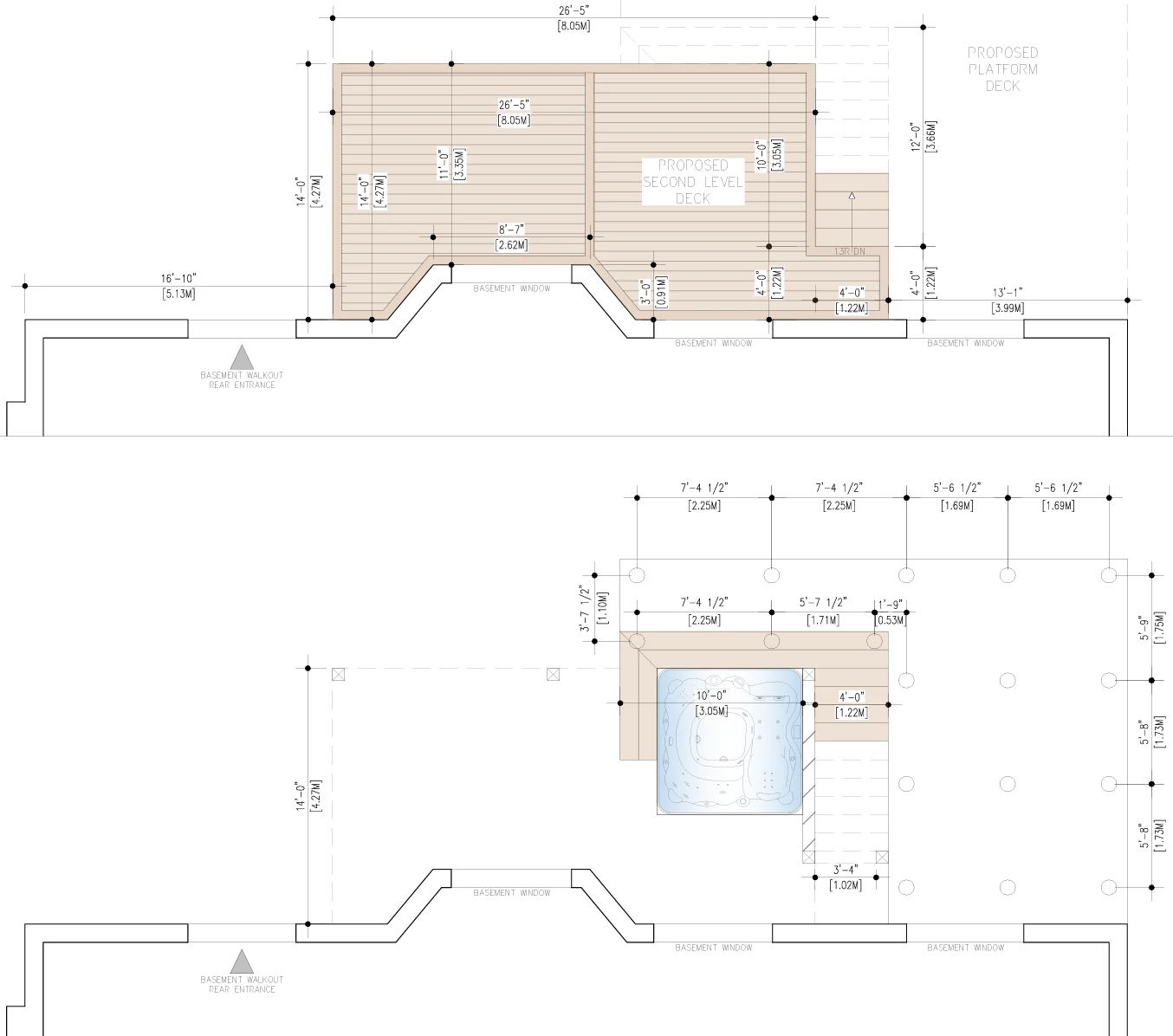
Before material choice ever comes into play, winter performance is determined by design. Two decks built with the same surface boards can perform very differently depending on how the structure beneath them was planned and executed.
In Ontario, effective deck design focuses on managing movement, moisture, and load without compromising stability.
Footings Below the Frost Line and Long-Term Stability
Footings are the foundation of winter performance. Decks supported below the frost line experience:
- Reduced heaving and settling during freeze-thaw cycles
- Consistent elevation across the deck surface over time
- Improved alignment of posts, beams, and railings
Shallow or inconsistent footings remain one of the most common causes of long-term deck movement.
Framing, Fasteners, and Cold-Weather Movement
As materials contract and expand in cold weather, decks rely on:
- Framing sized to support sustained snow loads
- Material-specific fasteners that resist loosening
- Consistent fastening patterns that distribute stress evenly
Generic fastening systems often fail first, particularly around stairs and high-traffic areas.
Drainage, Board Spacing, and Airflow in Winter Conditions
Water management is critical to winter performance. Effective deck design includes:
- Board spacing that allows snow melt to drain freely
- Adequate airflow beneath the deck surface
- Layout and grading that direct water away from structure
When moisture lingers, it accelerates rot, surface damage, and structural fatigue. These design principles are addressed early in Precision Landscaping's Landscape Design process to ensure decks perform as part of a complete outdoor system.
Design Decisions That Matter Most in Winter
| Design Element | Winter-Ready Deck | Contractor-Grade Deck |
|---|---|---|
| Footing Depth | Installed below frost line | Shallow or inconsistent |
| Framing | Sized for snow load | Built to minimum standards |
| Fasteners | Material-specific systems | Generic fasteners |
| Board Spacing | Designed for drainage | Tight spacing traps moisture |
| Airflow | Encouraged beneath deck | Often restricted |
| Long-Term Stability | Predictable and consistent | Increases movement over time |
Which Deck Materials Perform Best in Canadian Winters
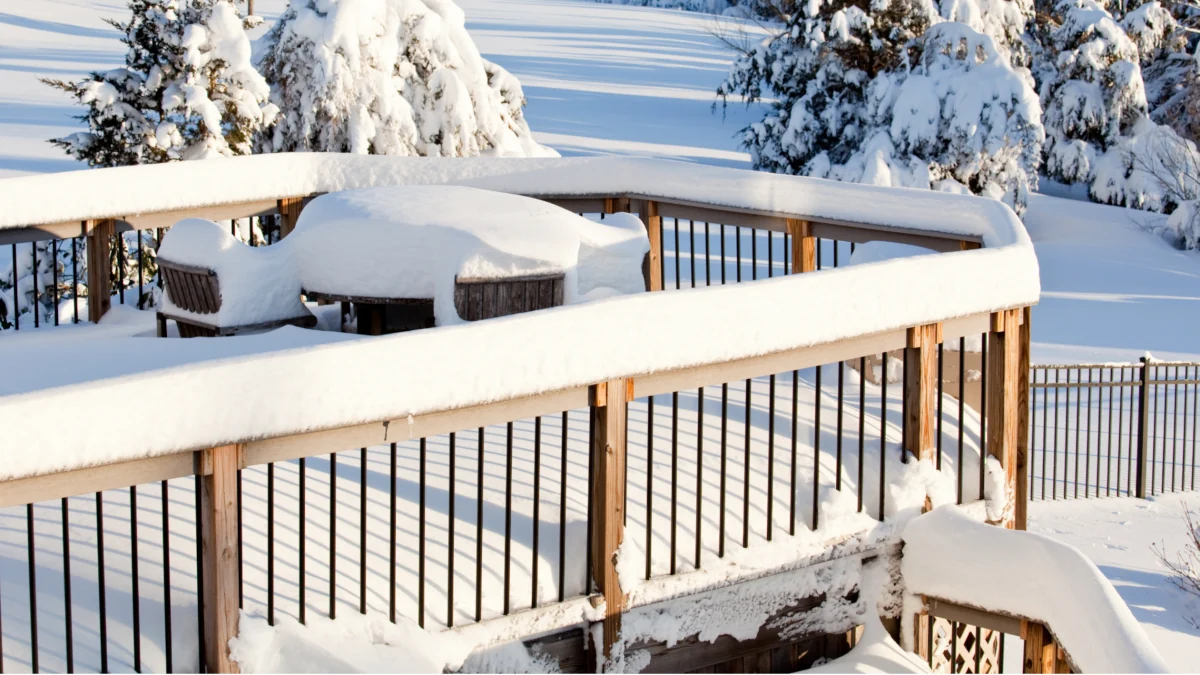
While design governs structural performance, material choice influences maintenance requirements and how a deck surface ages through winter conditions. The best materials balance moisture resistance, dimensional stability, and durability.
Pressure-Treated Wood in Winter: Maintenance vs Value
Pressure-treated wood offers strong structural value but requires regular sealing. Without maintenance, it is more susceptible to moisture penetration and surface cracking after repeated freeze-thaw cycles.
Composite Decking: Consistent Performance With Less Upkeep
Composite decking resists moisture absorption, maintains spacing through temperature changes, and does not splinter, making it a reliable low-maintenance option for winter conditions.
It is important to note that many composite boards retain more heat in direct sun than natural wood and can feel warmer underfoot. For best winter traction and ease of maintenance, textured composite boards are strongly recommended. These modern products are engineered with high-grip surfaces that provide excellent slip resistance while eliminating concerns around sealing, patina buildup, or moss development.
PVC Decking: Moisture Resistance for High-Exposure Areas
PVC decking does not absorb water, allowing it to perform exceptionally well in shaded areas, pool zones, and locations where snow and ice linger longer.
Like composite, PVC boards can retain more surface heat than wood in direct sunlight. For optimal winter safety and long-term usability, selecting a textured PVC profile is key. These boards offer consistently high traction in wet and icy conditions while preserving the exceptional moisture resistance and easy upkeep that defines PVC decking.
Thermally Modified Wood: Stability in Cold Climates
Thermally modified wood offers improved dimensional stability and reduced moisture absorption while maintaining a natural, architectural appearance.
Brazilian Ipe: Long-Term Durability in Harsh Conditions
Brazilian Ipe's density and natural resistance to moisture and decay allow it to perform exceptionally well through harsh Ontario winters, making it ideal for long-term, high-end builds.
Winter Performance Comparison by Material
| Material | Moisture Resistance | Winter Stability | Maintenance Level | Best For |
|---|---|---|---|---|
| Pressure-Treated Wood | Medium | Medium | High | Budget-focused projects |
| Composite Decking | High | High | Low | Low-maintenance living |
| PVC Decking | Very High | Very High | Low | Poolside and wet areas |
| Thermally Modified Wood | High | High | Medium | Modern, architectural designs |
| Brazilian Ipe | Very High | Very High | Medium | Luxury, long-term builds |
Preparing Your Deck for Winter in the GTA
Simple fall preparation can significantly reduce winter-related damage. Save or screenshot this checklist for reference.
Fall Inspection: Boards, Railings, Stairs, and Structure
- Check boards for cracking, warping, or movement
- Test railings and handrails for stability
- Inspect stairs for uneven treads or shifting
- Look beneath the deck for moisture buildup where accessible
Cleaning and Debris Removal Before Snowfall
- Sweep leaves and debris from the deck surface
- Clear gaps between boards for drainage
- Remove buildup around posts and stairs
- Ensure nearby drainage paths remain clear
Sealing and Surface Protection for Wood Decks
- Apply a high-quality sealant or stain before cold weather
- Focus on end cuts and high-traffic areas
- Allow proper curing time before temperatures drop
Furniture, Planters, and Accessories: What to Remove and Why
- Store or remove furniture when possible
- Elevate planters to prevent trapped moisture
- Remove rugs, cushions, and decorative items
- Ensure grills and heaters do not restrict airflow
Snow and Ice Management on Deck Surfaces
How snow and ice are managed throughout winter has a direct impact on both deck safety and long-term durability. Aggressive clearing methods or the wrong ice control products often cause more damage than winter weather itself. A careful, consistent approach protects deck boards, fasteners, and finishes while keeping surfaces safe to use.
Safe Snow Removal Without Damaging Deck Boards
Snow should be cleared in a way that reduces structural load without scarring the deck surface.
- Use plastic shovels or snow pushers rather than metal tools
- Shovel in the direction of the deck boards to reduce surface wear
- Avoid chopping or prying at compacted snow or ice
- Clear snow early to prevent heavy buildup and refreezing
On natural wood decks in particular, leaving a thin protective layer of snow is often safer than aggressive scraping.
Ice Control That Protects Fasteners and Finishes
Not all ice melt products are safe for deck materials. Some accelerate corrosion and break down finishes over time.
- Choose deck-safe or calcium-based ice melt products
- Avoid rock salt and harsh chlorides
- Apply sparingly and only in high-traffic areas
- Rinse surfaces in spring to remove residue buildup
Using appropriate ice control helps preserve fasteners and extends the lifespan of both wood and composite decking, especially when paired with proper Deck and Fence Maintenance practices.
Preventing Ice Buildup on Stairs and Entry Points
Stairs and transitions are the most common winter hazard zones.
- Clear stairs more frequently than flat deck surfaces
- Keep handrails free of ice and securely fastened
- Install non-slip stair treads where appropriate
- Maintain clear drainage at deck-to-door transitions
Focused attention in these areas significantly reduces slip risk during winter conditions.
Snow and Ice Management: What to Use and What to Avoid
| Task | Recommended | Avoid |
|---|---|---|
| Snow Removal | Plastic shovel or snow pusher | Metal shovels or ice choppers |
| Clearing Method | Shovel with board direction | Scraping across boards |
| Ice Control | Deck-safe or calcium-based melt | Rock salt or harsh chemicals |
| Application | Light use in high-traffic areas | Heavy, repeated application |
| High-Risk Areas | Extra care on stairs and entries | Ignoring transitions |
Managing snow and ice carefully throughout the winter helps protect both the deck surface and the structure beneath it, particularly on professionally planned Deck Installation projects.
Professionally Built Decks vs Contractor-Grade Decks in Winter
Winter conditions quickly expose the difference between professionally built decks and shortcut installations.
Structural Performance Over Multiple Winters
Professionally built decks maintain alignment and stability through repeated freeze-thaw cycles. Contractor-grade decks are far more likely to shift, settle, and loosen over time.
Drainage, Fastening, and Material Longevity
Proper drainage planning and material-specific fastening systems protect decks from moisture-related failure. Shortcut builds often trap water and accelerate deterioration.
Maintenance Demands and Long-Term Risk
Well-built decks require predictable, manageable maintenance. Poorly built decks demand frequent repairs and carry higher long-term safety and replacement risk, particularly after multiple Ontario winters.
Cost Considerations for Winter-Ready Decks
Designing a deck that performs reliably through Ontario winters is an investment in long-term durability, safety, and reduced maintenance. While winter-ready features can affect upfront cost, they often lower total ownership cost by minimizing repairs and premature replacement.
How Material Selection Affects Long-Term Cost
Decking materials influence not only initial price, but also maintenance frequency and lifespan in winter conditions.
Winter-Focused Upgrades That Improve Safety and Usability
Certain design and material upgrades directly improve winter performance while reducing long-term risk.
Planning for Maintenance Over the Life of the Deck
A well-built deck requires predictable maintenance rather than ongoing repairs. Planning for sealing, inspections, and minor upkeep helps extend service life and control costs.
Typical Cost Impacts for Winter-Ready Deck Design
| Feature or Decision | Upfront Cost Impact | Long-Term Value |
|---|---|---|
| Frost-line footings | Moderate | Prevents movement and structural repairs |
| Composite or PVC decking | Higher | Lower maintenance and longer lifespan |
| Thermally modified or Ipe wood | Higher | Superior durability in freeze-thaw cycles |
| Integrated lighting | Moderate | Improved winter safety and usability |
| Quality fastening systems | Low-Moderate | Reduced loosening and repairs |
When to Repair, Upgrade, or Rebuild a Deck
Winter conditions often accelerate issues that may already exist within a deck structure. Knowing when to repair versus rebuild helps homeowners avoid investing in short-term fixes that do not address underlying problems.
Signs of Winter-Related Wear and Structural Issues
- Persistent movement or shifting after freeze-thaw cycles
- Loose railings or stairs that worsen each winter
- Cracking, splitting, or surface deterioration beyond normal wear
- Moisture damage beneath the deck surface
These signs often indicate structural issues rather than surface-level maintenance needs.
When Maintenance Is No Longer Enough
Maintenance becomes ineffective when structural components are compromised. Repeated sealing or surface repairs cannot correct footing movement, framing failure, or chronic drainage problems.
Designing a Future-Proof Deck for Ontario Conditions
Rebuilding provides an opportunity to correct design limitations and integrate winter-focused improvements. Professionally planned Deck Installations projects address structure, drainage, and material performance together, reducing long-term risk.
Winter Deck Safety for Homes and Families
Winter deck safety is about managing risk through smart design, material choice, and visibility rather than trying to eliminate snow entirely. Decks built with winter conditions in mind are safer by design, not by constant maintenance.
Traction and Slip Resistance in Cold Conditions
Deck surfaces behave differently in winter. For ultimate grip and long-term ease of maintenance, textured composite or PVC decking materials are the recommended choice. These engineered products are designed to deliver consistently high traction and avoid the surface changes that can occur with wood over time, such as patina buildup or moss development.
Textured profiles, stair tread design, and drainage detailing play a major role in slip resistance. Light snow often provides more grip than exposed ice, making surface awareness and smart planning essential to winter safety.
Handrails, Guardrails, and Code Compliance
Secure, code-compliant rail systems improve stability in icy conditions. Proper fastening, height, and spacing help prevent movement under load, while winter weather often exposes weaknesses in contractor-grade rail installations that remain unnoticed in summer.
Lighting for Visibility During Short Winter Days
Reduced daylight increases the risk of slips and missteps. Step lighting, defined deck edges, and warm, glare-free illumination improve visibility and usability, particularly when lighting is integrated into the overall Landscape Design.
Can You Use a Deck in Winter in Ontario? Yes!
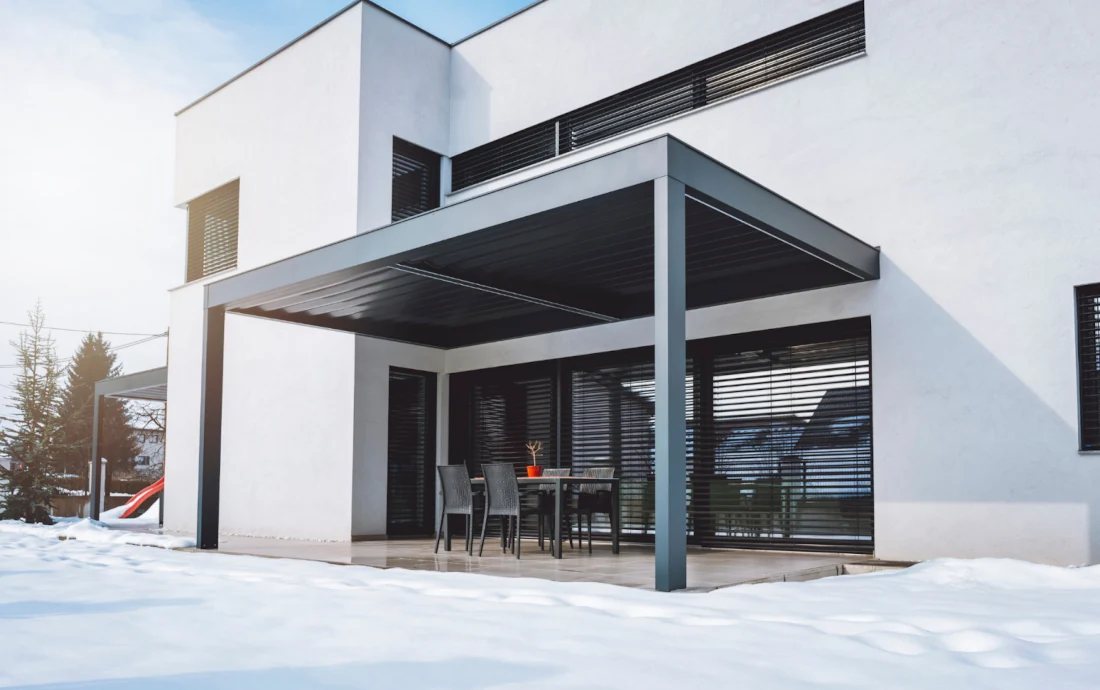
A deck does not need to sit unused for half the year. When winter conditions are considered during planning and construction, a deck can remain functional, comfortable, and safe throughout Ontario's colder months. The key is designing for shelter, heat, and circulation as part of the original Deck Installation, rather than trying to add solutions later.
Covered Areas, Wind Protection, and Privacy Screens
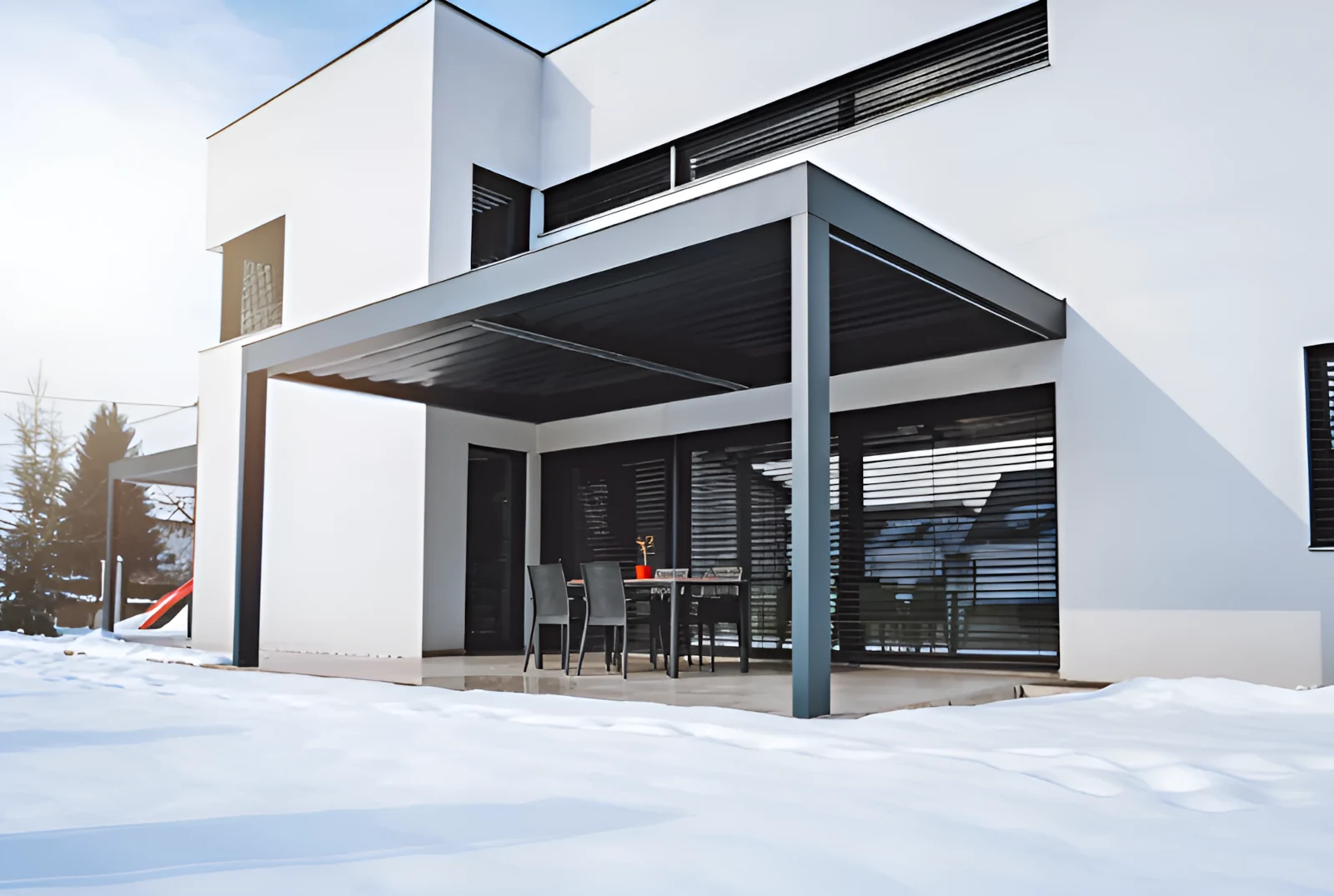
Partial enclosure is one of the most effective ways to improve winter usability without fully closing off the space. Overhead coverage helps reduce direct snowfall, while side protection limits wind exposure and heat loss.
Structures like Pergolas provide architectural overhead coverage that reduces snow buildup and drifting, while privacy screens and wind walls help block prevailing winds. When these elements are planned into the deck layout, outdoor spaces remain usable deeper into winter while still feeling open and connected to the landscape.
Fire Features and Outdoor Heating Considerations
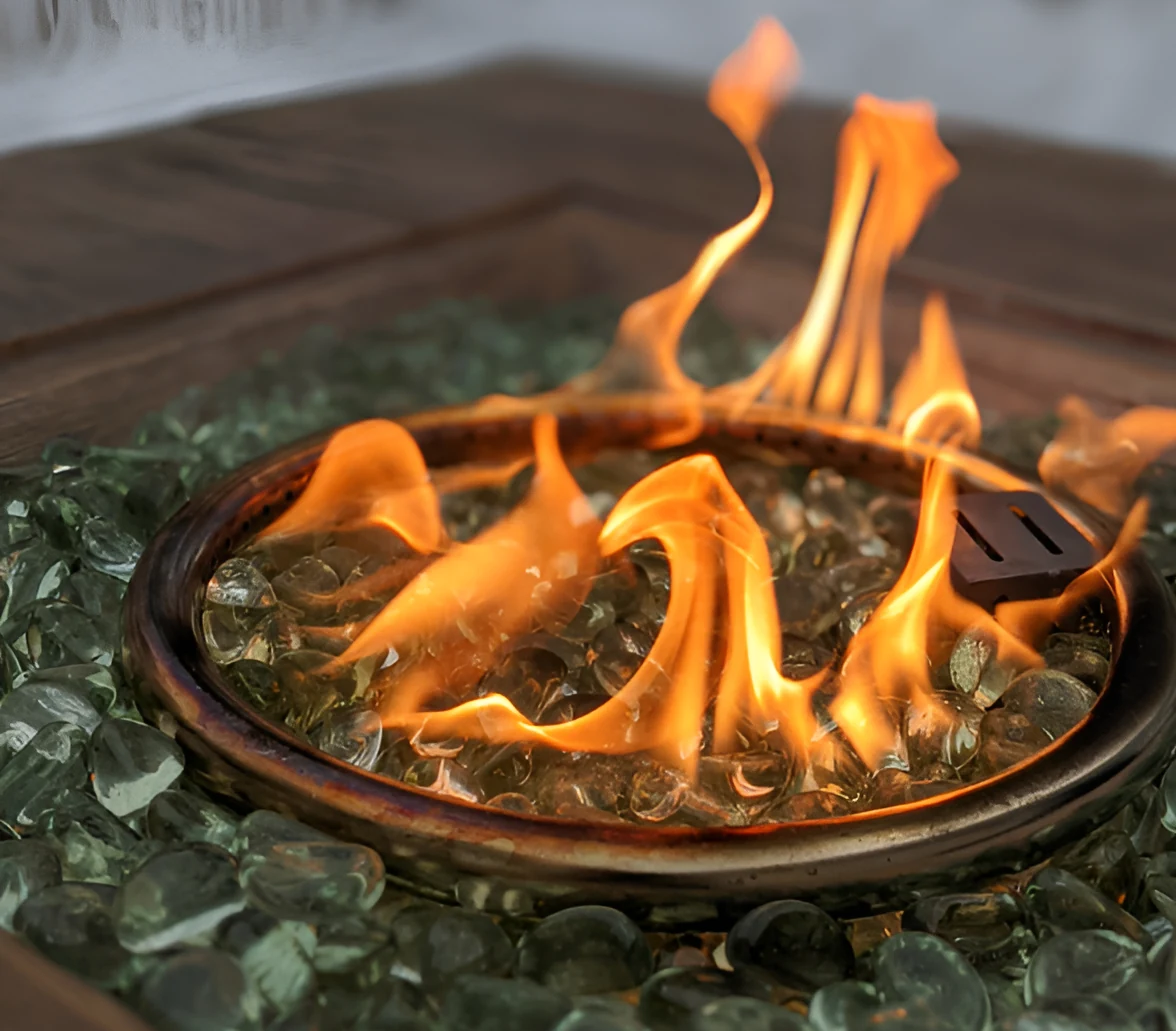
Heat can significantly extend winter deck use when applied intentionally and safely. Fire pits, fireplaces, and heaters must be planned alongside decking materials, clearances, and airflow requirements.
Properly designed Fire Features maintain safe separation from deck boards and framing, and materials must be selected to tolerate heat exposure. In covered or semi-enclosed spaces, ventilation is critical. When heating is integrated during the design phase, it improves comfort without compromising safety or long-term deck performance.
Designing for Comfort Without Compromising Safety
Winter comfort depends on balance. Clear walking paths, realistic furniture layouts, and practical snow and ice management all play a role.
A winter-ready deck avoids overcrowding, preserves access to stairs and railings, and allows snow removal to remain straightforward. Comfort features should always support safety, durability, and ease of maintenance, especially when coordinated as part of a broader Landscape Design
Frequently Asked Questions About Winter Decks
Homeowners often ask similar questions when planning or maintaining a deck through Ontario winters. Below are clear answers based on real-world performance and construction standards.
-
Wood decks benefit from sealing before winter to reduce moisture penetration and surface damage from freeze-thaw cycles. Composite and PVC decking typically do not require sealing but should still be cleaned and inspected as part of routine Deck and Fence Maintenance.
-
When properly selected, composite decking can provide excellent traction in winter conditions. Modern textured composite materials are specifically engineered to deliver high-grip surfaces that perform well in rain, snow, and freeze-thaw environments while maintaining low maintenance requirements. Texture, board profile, and stair detailing play a major role, which is why expert material selection during Deck Installation is important.
-
Plastic shovels or snow pushers used in the direction of the boards are safest. Avoid metal tools and harsh ice melt products that can damage surfaces and fasteners.
-
Some repairs and planning work can be completed during winter, but full deck construction is typically best scheduled for warmer months. Winter is an ideal time for design planning through the Landscape Design process.
-
A professionally built deck designed for Canadian conditions can last several decades, depending on material choice and maintenance. Structural planning and winter-focused detailing significantly extend lifespan.
Designing a Deck That Performs All Year
A deck designed for Ontario winters offers more than seasonal durability. It provides year-round safety, predictable maintenance, and long-term value while remaining visually refined and comfortable to use.
By combining proper structural design, winter-appropriate materials, and thoughtful maintenance planning, homeowners can enjoy a deck that performs consistently through every season. Working with an experienced design-build team ensures winter readiness is built into the deck from the start, rather than addressed after problems appear.